Àngela Ramon, Pol Llonch, Eva Mainau
Download PDF for more information
Technical document written in the frame of the project “Disbudding calves: how can we reduce pain and stress ?”
Activity funded through the Rural Development Program of Catalonia from 2014 to 2020 (Activity 01.02.01 Transfer Technology)
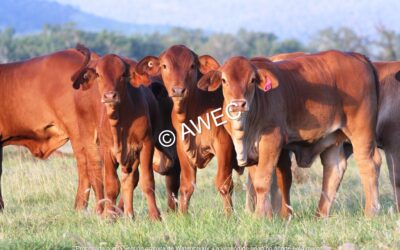
Disbudding is a common practice in dairy cattle to inhibit horn development, which is intended to facilitate handling and reduce the risk of injury between animals. This practise produces stress and pain during the process and in subsequent days. Therefore, best technique to carry out to ensure the welfare of animals by preventing pain is vital.
Disbudding should be performed using anaesthesia and analgesia to reduce pain during and after the procedure, respectively. Sedation before the use of anaesthesia and analgesia helps to appease animals and facilitates the handing of animal. It is necessary to emphasize that exclusive use of sedation does not reduce pain.
First step for disbudding is to identify the horn buds by palpation, so it can be confirmed that it is not a polled animal. Bud horns can be noticed around three weeks after birth. It is convenient to apply analgesia before to start disbudding so its effects can start as soon as possible to effectively prevent pain after cessation of the anaesthesia effect. Table 1 shows the list of analgesic drugs that are authorized in cattle, the recommended dosage and duration of the effect. The analgesic effect should last during 2 or 3 days, and in some analgesics. It will be necessary to repeat the administration.
Xylazine is a alfa-2-agonists drug that can be used for sedation. It is applied intramuscularly at a 0,05-0,2 mg/kg dosage, ideally in a fasted calf. Once sedation takes effect, the next step is to apply local anesthesia (procaine) at both horn buds (Figure 1, see PDF). The injection should be on the cornual nerve, over the crest of the temporal bone, dorsally to the zygomatic arch (Figure 2, see PDF). In other words, the triangulation between the eye, the horn and the ear.
Up to ten minutes later, it can be checked whether the anesthetic has taken effect through the pin-prick test (Figure 3, see PDF). It consists to mildly prick the skin with a needle around the germinal buds and to check whether the calf reacts to the stimulus. If calf wiggles the ears or blinks, it will be necessary to repeat the anaesthetic administration.
Once confirmed the animal was properly anaesthetized, disbudding can be carried out. Consisting on applying high temperatures on buds to cauterize horn tissue.
Steps to disbudding process:
- Raze around the germinal buds to facilitate the contact between the hot iron and the buds (Figure 4, see PDF).
- To apply the hot iron during 10 seconds with rotative force to each germinal bud (Figure 5, see PDF).
- To spray with antibiotic at the buds to prevent possible infections (Figure 6, see PDF).
After the end of the procedure, the calf should be monitored during recovery from sedation and anesthesia to ensure an adequate recovery.